
🐾 The New Dog Owner’s Training Bible: House Training, Socialization & Basic Obedience
Everything you need in the first weeks and months — explained step by step, no experience required.

Bringing home a new dog or puppy is exciting — and also completely overwhelming. Between potty accidents, barking, a dog who won’t settle when you leave, and figuring out how “sit” actually works, it’s easy to feel like you’re behind before you’ve even started. You’re not. This guide walks through the five things every new owner searches for most: house training, bark control, separation anxiety prevention, socialization, and basic obedience — all in one place.
💡 The one mindset shift that makes everything easier: Training isn’t about correcting mistakes after they happen — it’s about setting your dog up to succeed before they get the chance to fail. Prevention and management beat correction every time.
🗂️ What’s Covered
| 1 | House Training (Potty Training) |
| 2 | Crate Training |
| 3 | Bark Correction |
| 4 | Preventing & Easing Separation Anxiety |
| 5 | Socialization — The Window You Can’t Get Back |
| 6 | Basic Obedience: Sit, Down, Stay, Come, Loose-Leash Walking |
| 7 | What to Expect, Week by Week |

1️⃣ House Training (Potty Training)
House training is almost entirely about management and timing, not punishment. Most puppies can be reliably house trained by around 6 months with consistency.
The core routine
- Take your dog outside first thing in the morning, after every meal, after naps, after play sessions, and last thing at night.
- For young puppies, add a bathroom trip every 30–60 minutes while they’re awake — their bladder control is limited.
- Take them to the same spot each time — the scent cue helps them understand why they’re outside.
- The instant they finish outside, reward immediately with praise, a treat, or brief play — timing matters more than the reward itself.
- Keep your dog within sight indoors (a leash tethered to you works well) so you can catch the early signs of needing to go — sniffing, circling, heading toward the door.
⚠️ Never punish an accident you find after the fact. Rubbing a dog’s nose in it or scolding them for a past accident doesn’t teach them anything except to fear you — or to hide when they need to go, which makes house training harder, not easier. If you catch them mid-accident, a calm interruption and immediate trip outside is all that’s needed.
2️⃣ Crate Training
A crate isn’t a punishment tool — done right, it becomes your dog’s own safe space, and it’s one of the most effective house training aids available because dogs instinctively avoid soiling their sleeping area.
| Step | What to Do |
|---|---|
| 1. Introduce slowly | Toss treats inside, let your dog wander in and out freely, door open, no pressure |
| 2. Add positive associations | Feed meals in the crate, give a stuffed chew toy only when they’re inside |
| 3. Practice short closed-door periods | Close the door for a few minutes while you’re in the room, gradually increase |
| 4. Build up to alone time | Leave the room, then the house, for increasing lengths of time |
Always release your dog when they’re calm and quiet — not while they’re whining or scratching at the door, which would reward the fussing rather than the settled behavior.
3️⃣ Bark Correction
Barking is communication, not defiance — the fix depends entirely on what’s triggering it.
| Trigger | Fix |
|---|---|
| Doorbell / passersby | Block the visual trigger (curtains, window film); teach a “quiet” cue and reward the moment barking stops |
| Attention-seeking | Withhold attention entirely until the barking stops, then reward calm behavior — reacting (even negatively) reinforces the barking |
| Boredom / pent-up energy | Add a daily puzzle feeder and an extra walk — a tired, mentally stimulated dog barks less |
| Fear / anxiety | Identify and reduce exposure to the trigger where possible; pair calm exposure with treats (counter-conditioning) |
⭐ Key tip: Never yell at a barking dog — to them, raised voices can sound like you’re joining in. Stay calm, and reward the silence rather than punishing the noise.
4️⃣ Preventing & Easing Separation Anxiety
Dogs who never learn to be comfortable alone are far more likely to develop separation anxiety later — building independence early prevents most cases.
- Practice “fake departures” — pick up your keys, put on your shoes, but don’t leave. Repeat until your dog stops reacting to these cues as a signal something bad is about to happen.
- Start with very short absences — 30 seconds, then 1 minute, then 5, gradually building to longer periods over days and weeks.
- Keep arrivals and departures low-key — no big emotional goodbyes or hellos, which can accidentally teach your dog that your leaving is a big deal.
- Give a long-lasting treat (like a frozen stuffed chew toy) right before you leave, so alone time becomes something to look forward to rather than dread.
- Make sure your dog gets exercise and mental stimulation before you leave — a tired dog settles faster.
⚠️ When to get help: If your dog shows panic, self-injury, non-stop howling, or destruction focused around doors and windows when left alone, this may be beyond DIY territory — a certified trainer or veterinary behaviorist can help, and medication combined with training is sometimes appropriate.
5️⃣ Socialization — The Window You Can’t Get Back
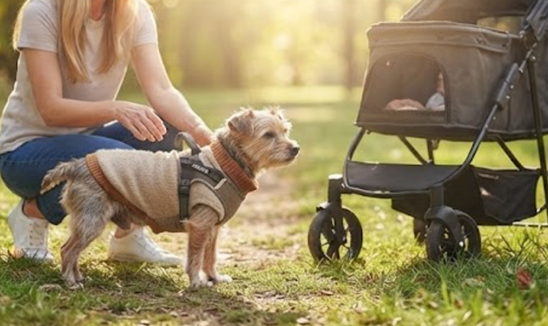
According to the American Veterinary Society of Animal Behavior (AVSAB), the most important socialization period is roughly 3 to 16 weeks of age. During this window, a puppy’s brain is naturally primed to treat new experiences as normal rather than threatening. AVSAB’s official position is that the benefits of early socialization outweigh the small infection risk, even before a puppy’s vaccine series is fully complete — as long as it’s done sensibly (avoiding dog parks and unknown/unvaccinated dogs, while still safely exposing puppies to people, sounds, and environments).
What good socialization looks like
| Category | Examples |
|---|---|
| People | Different ages, genders, appearances — hats, glasses, uniforms, wheelchairs, beards |
| Environments | Parks, sidewalks, car rides, elevators, vet clinic visits (even just for a treat, no exam) |
| Sounds & surfaces | Vacuum cleaners, traffic noise, metal grates, wood/tile/grass underfoot |
| Other dogs | Only healthy, fully vaccinated, friendly adult dogs — keep the experience calm and positive, not overwhelming |
Watch your puppy’s body language during every new exposure. Signs of comfort: loose body, soft eyes, relaxed tail, willingness to take treats. Signs of stress: tucked tail, lip licking, yawning, turning away, refusing treats. If you see stress signs, increase distance from the trigger and slow down — don’t force the interaction.
🚨 This one matters most: Unlike almost every other training skill, socialization has a real deadline. Once the window closes around 16 weeks, you can still improve a dog’s comfort with new things, but it becomes reparative work instead of simple, preventative exposure — so don’t wait for “full vaccination” to start.
6️⃣ Basic Obedience: Sit, Down, Stay, Come, Loose-Leash Walking
Sit
Hold a treat above your dog’s nose and slowly move it back over their head. As their head tilts up, their bottom naturally lowers to the ground. Say “sit” the moment it happens, and reward instantly.
Down
From a sit, lower a treat straight down to the floor between their front paws, then slide it slightly forward. Most dogs will follow the treat into a lying position. Mark it with “down” and reward.
Stay
Ask for a sit or down, then hold your palm out and say “stay.” Wait just one second before rewarding at first, then release with a clear word like “okay.” Build duration gradually — one extra second at a time is more effective than jumping straight to a full minute.
Come (Recall)
Start in a low-distraction indoor space. Say your dog’s name and “come” in an upbeat tone, then reward enthusiastically the moment they reach you — every single time at first. Never call your dog to you for something unpleasant (like a bath or nail trim); that teaches them “come” predicts something bad.
Loose-Leash Walking
| Method | How It Works |
|---|---|
| Stop-and-go | The instant the leash goes tight, stop walking. Only resume once it slackens — your dog learns pulling makes the walk stop |
| Change direction | When your dog surges ahead, calmly turn and walk the other way, teaching them to keep checking in with you |

⭐ Key tip: Keep training sessions short — 5 to 10 minutes, a few times a day works far better than one long session. End on a success so your dog stays motivated for next time.
7️⃣ What to Expect, Week by Week
| Stage | Realistic Milestones |
|---|---|
| 8 weeks (first days home) | Learning their name, starting potty routine, positive crate introduction, gentle handling — not commands yet |
| 12 weeks | Reliable name response, sit in low-distraction settings, comfortable on leash for short walks, potty accidents decreasing |
| 6 months | Reliable sit/down/brief stay indoors, loose-leash walking in low-distraction areas, familiar-setting recall, mostly potty trained, sleeping through the night in the crate |
| Adolescence (6–18 months) | Expect some regression — this is normal, not failure. Consistency now determines adult behavior. |

🎯 The Bottom Line
Every well-behaved adult dog was once a puppy who made mistakes. House training, socialization, and basic obedience aren’t about perfection — they’re about consistency, patience, and setting your dog up to succeed rather than punishing them for failing. Start now, stay consistent, and the hardest months will pass faster than you think.
This article is for general educational purposes only. For persistent behavior issues, aggression, or severe anxiety, consult a certified professional dog trainer or veterinary behaviorist.
📚 Sources
- American Veterinary Society of Animal Behavior (AVSAB) — Housetraining Tips, avsab.org
- American Veterinary Society of Animal Behavior (AVSAB) — Position Statement on Puppy Socialization
- The Dog Wizard — Puppy Training Schedule by Age: Week-by-Week Guide
- Petful — Puppy Training 101: A Week-by-Week Guide (8 Weeks to 6 Months)
- BreedBible — Complete Puppy Training Guide: From 8 Weeks to Adult Dog
- Far Fetched Acres — When Should I Start Socializing and Training My Puppy?
- Canine Learning Academy — Early Puppy Socialization Is Essential

댓글 남기기