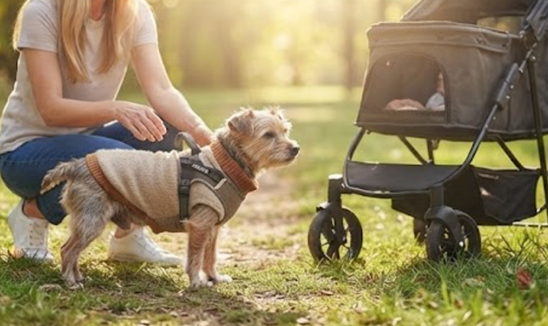
🐾 Loving Your Senior Pet: A Complete Guide to Aging, Arthritis, Dementia & Comfort
The gray muzzle years deserve just as much care and attention as puppyhood — here’s how to give them that.

There’s a particular kind of ache that comes with watching a dog or cat who used to leap onto the couch now hesitate at the bottom step. Aging is not a disease, but it does bring real, manageable changes — and understanding them is one of the most meaningful things you can do for a pet who has spent years by your side. This guide covers what actually happens as pets age, how to manage arthritis, how to recognize and support cognitive decline, and how to build a home that makes the senior years genuinely comfortable.
💡 A gentle reminder before we start: Dogs and cats are experts at hiding pain and discomfort — it’s an instinct left over from their wild ancestors. Many “just slowing down with age” signs are actually treatable medical issues. When in doubt, a vet visit is always worth it.
🗂️ What’s Covered
| 1 | The Physical Changes of Aging |
| 2 | Arthritis: Signs & Management |
| 3 | Cognitive Dysfunction (Dementia): Recognizing & Easing It |
| 4 | Building a Comfortable Senior-Friendly Home |
| 5 | When “Old Age” Isn’t Actually Old Age |

1️⃣ The Physical Changes of Aging
Most dogs are considered “senior” starting somewhere between 7 and 10 years old, depending on size (larger breeds age faster), and cats around 10–11 years old. Here’s what commonly changes.
| System | Common Changes |
|---|---|
| Mobility & joints | Stiffness, slower to rise, reluctance for stairs or jumping, muscle loss |
| Senses | Cloudy eyes (often lenticular sclerosis, a normal aging change — distinct from cataracts), reduced hearing, diminished sense of smell |
| Coat & skin | Graying (especially around the muzzle), thinner coat, drier skin, slower-healing wounds |
| Weight & metabolism | Slower metabolism (can lead to weight gain) or muscle wasting/weight loss in later stages — both directions are worth monitoring |
| Dental health | Years of plaque buildup can lead to periodontal disease, which is both painful and linked to heart/kidney strain |
| Organ function | Kidney and liver function naturally decline with age — regular bloodwork helps catch this early |
⭐ Key tip: Most vets recommend moving from annual to twice-yearly wellness exams once a pet enters their senior years. Because aging happens faster in pets than in humans, six months can represent meaningful physical change — catching problems at the 6-month mark rather than the 12-month mark often makes a real difference.
2️⃣ Arthritis: Signs & Management
Osteoarthritis is one of the most common — and most under-recognized — conditions in senior pets. Because dogs and cats instinctively mask pain, owners often mistake early arthritis for a pet simply “slowing down.”
Signs to watch for
- Stiffness after resting, especially first thing in the morning
- Reluctance or hesitation before jumping, climbing stairs, or getting into a car
- Limping, favoring one leg, or a change in gait
- Decreased activity, less interest in walks or play
- Licking or chewing at a specific joint
- Increased irritability or withdrawal — pain can look like a personality change
Management approaches
| Approach | Details |
|---|---|
| Veterinary medications | Prescription NSAIDs are typically the first-line treatment for pain and inflammation; gabapentin is sometimes added for chronic pain. Always vet-prescribed — human pain relievers like ibuprofen are toxic to pets. |
| Joint supplements | Glucosamine and chondroitin support cartilage health; omega-3 fatty acids (fish oil) help reduce inflammation. Often combined in products like Cosequin or Dasuquin. Ask your vet before starting any supplement. |
| Weight management | Extra weight significantly worsens joint strain — even modest weight loss can noticeably improve mobility and comfort |
| Gentle, regular movement | Short, frequent low-impact walks or swimming keep joints mobile without overloading them — better than long walks or total rest |
| Alternative therapies | Laser therapy, acupuncture, and hydrotherapy are increasingly offered by veterinary rehab specialists and can help pets who don’t tolerate medication well |
⭐ Key tip: There’s no single cure for arthritis, but a combined approach — medication, supplements, weight control, and home modifications together — consistently outperforms any single treatment alone.
3️⃣ Cognitive Dysfunction (Dementia): Recognizing & Easing It
Canine cognitive dysfunction (CCD) — often described as the canine equivalent of Alzheimer’s — affects an estimated 14–35% of dogs over age 8, and by some studies, roughly two-thirds of dogs by age 15–16 show at least some signs. Cats can experience a similar condition, feline cognitive dysfunction (FCD). Veterinary researchers use the acronym DISHAA to describe the pattern of symptoms.

| DISHAA Category | What It Looks Like |
|---|---|
| Disorientation | Getting “stuck” in corners, staring at walls, appearing lost in familiar spaces |
| Impaired social interaction | Reduced greeting behavior, less interest in family members or other pets, or in cats, sometimes increased clinginess |
| Sleep disturbances | Reversed sleep-wake cycle — restless, pacing, or vocalizing at night (“sundowning”), sleeping more during the day |
| House soiling | Accidents in a previously house-trained pet, forgetting to signal the need to go out |
| Activity changes | Repetitive pacing, less interest in previously loved activities, aimless wandering |
| Anxiety | New or worsened separation anxiety, increased clinginess, unexplained distress |
⚠️ Important: Many of these same symptoms (house soiling, pacing, disorientation) can also be caused by treatable medical issues — arthritis pain, kidney disease, urinary infections, vision or hearing loss, or thyroid problems. A vet visit to rule these out always comes before assuming it’s cognitive decline.
Ways to help
- Keep a consistent routine. Predictable feeding, walk, and bedtime schedules reduce disorientation and anxiety.
- Minimize environmental changes. Avoid rearranging furniture; a familiar layout helps a disoriented pet navigate confidently.
- Add mental stimulation. Gentle puzzle feeders, sniffing walks, and short training refreshers can help slow cognitive decline, similar to how mental engagement benefits aging in humans.
- Discuss diet with your vet. Diets enriched with antioxidants, omega-3s, and medium-chain triglycerides (MCTs) are increasingly used to support brain health in aging pets.
- Ask about medication. Selegiline is a veterinary medication specifically approved to help manage canine cognitive dysfunction symptoms; your vet can discuss whether it’s appropriate.
- Support nighttime comfort. A nightlight and a familiar, easily accessible sleeping area can ease nighttime restlessness and pacing.
4️⃣ Building a Comfortable Senior-Friendly Home
| Area | Modification |
|---|---|
| Flooring | Add rugs or non-slip mats over hardwood or tile — slippery floors are a common cause of falls and joint strain in arthritic pets |
| Sleeping area | An orthopedic bed cushions pressure points and joints; keep it away from cold drafts, and warmth can help ease stiffness |
| Furniture & car access | Ramps or pet stairs let dogs reach the couch, bed, or car without painful jumping |
| Food & water bowls | Raised feeders reduce neck and joint strain for dogs with arthritis, especially larger breeds |
| Litter box (cats) | Switch to a lower-sided box that’s easier to step into with stiff joints |
| Stairs | Baby gates can block access to stairs that are risky for pets with mobility loss or disorientation |
| Temperature | Senior pets regulate body temperature less efficiently — keep them away from cold drafts in winter and provide cool, shaded resting spots in summer |
5️⃣ When “Old Age” Isn’t Actually Old Age
It’s tempting to chalk every change up to age, but “old” is not a diagnosis. Sudden or significant changes deserve a vet visit rather than an assumption:
- Sudden weight loss or gain
- New house soiling in a previously reliable pet
- Increased thirst or urination
- Sudden behavior or personality changes
- Rapid onset of confusion or disorientation
These can point to kidney disease, thyroid conditions, diabetes, or other treatable illnesses that are far more manageable when caught early — which is exactly why twice-yearly senior wellness visits matter so much.
🎯 The Bottom Line
Watching a pet grow old is one of the bittersweet parts of loving an animal — their years are shorter than ours, and the senior stage arrives faster than we’re ready for. But small, thoughtful changes — a ramp by the couch, a joint supplement, a consistent evening routine — can genuinely extend how comfortable and connected those final years feel, for both of you. Senior pets aren’t a diminished version of the dog or cat you’ve always known — they’re just asking for a little more support to keep being themselves.
This article is for general educational purposes and is not a substitute for veterinary diagnosis or treatment. If your senior pet shows new or worsening symptoms, consult your veterinarian.
📚 Sources
- American Animal Hospital Association (AAHA) — 2023 AAHA Senior Care Guidelines for Dogs and Cats: Managing Cognitive Dysfunction and Behavioral Anxiety
- Journal of the American Veterinary Medical Association (JAVMA) — Canine Cognitive Dysfunction Syndrome Working Group Guidelines (2026)
- PetMD — What Is Dog Dementia? Signs of Canine Dementia and How To Help Your Dog
- Veterinary Partner (VIN) — Cognitive Dysfunction Syndrome in Dogs
- Dr. Buzby’s ToeGrips — Canine Cognitive Dysfunction in Dogs: Signs, Symptoms, Solutions
- Chewy — Arthritis in Dogs: Signs, Causes, and Pain Management
- Southwind Pets — Osteoarthritis in Senior Dogs & Cats: Complete Guide to Pet Joint Pain Treatment
- Faithful Friends Vet Clinic — Managing Arthritis in Senior Dogs: Tips for Comfort and Mobility
- NCBI/PMC — The Relationship between Signs of Medical Conditions and Cognitive Decline in Senior Dogs (Wrightson et al.)



댓글 남기기